Exercise guides
Three cues and the one mistake
76 movements, each with the muscles it works, three cues to hold in your head between sets, and the mistake that accounts for most of the trouble. No rep ranges and no promises.
Push
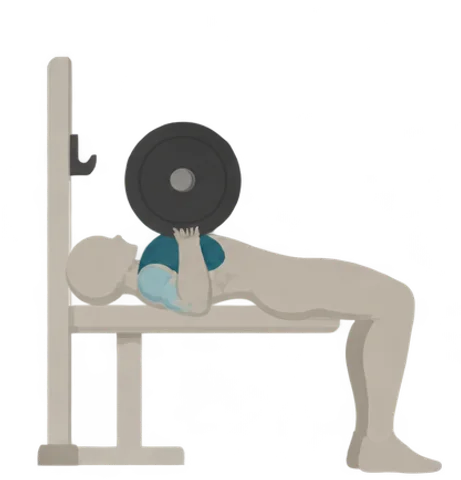 Bench press
The benchmark horizontal press — chest, triceps and front shoulder together.
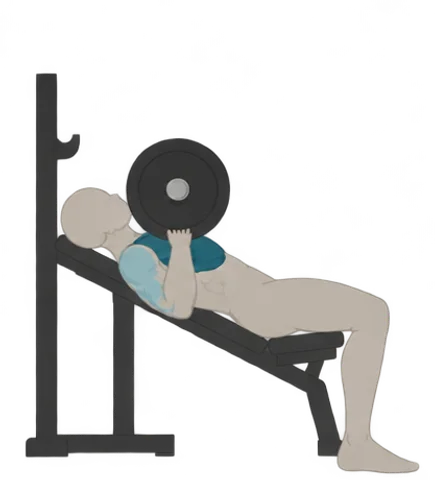 Incline bench press
The bench angled up, which moves the work toward the upper chest and front shoulder.
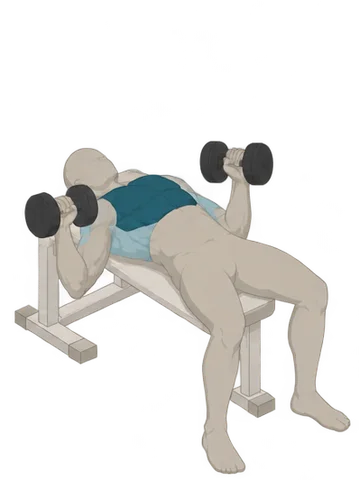 Dumbbell bench press
Two independent weights, so each side presses its own load along its own path.
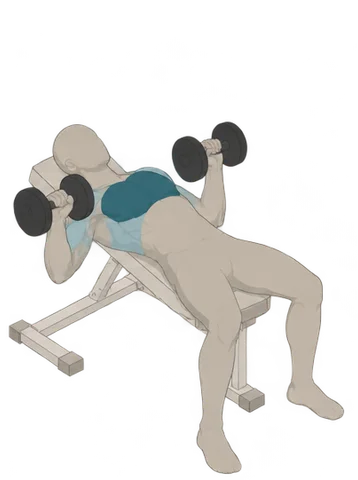 Incline dumbbell press
Upper chest with dumbbells: the incline's angle without the bar's fixed path.
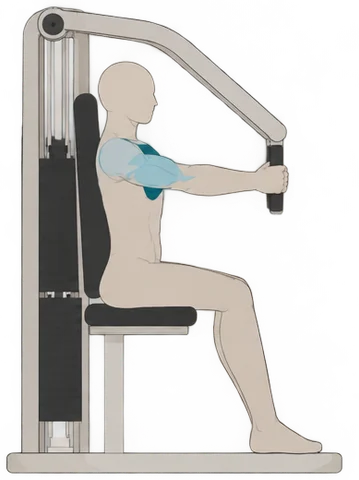 Chest press
The bench press on a fixed path, seated — chest and triceps with no bar to balance.
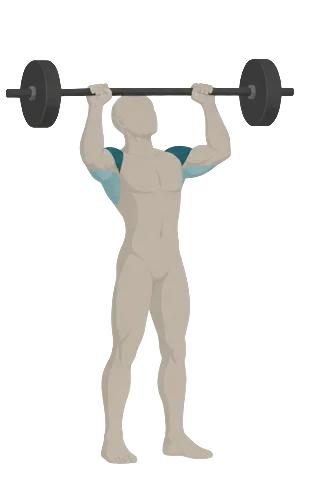 Overhead press
Pressing a bar from the shoulders to overhead — the standing test of shoulder strength.
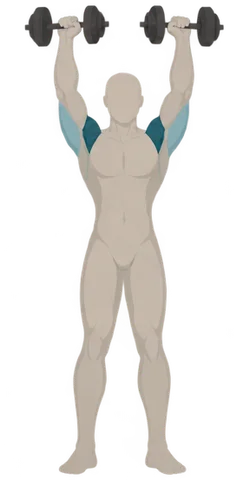 Dumbbell shoulder press
The overhead press with two weights, so each shoulder finds its own path.
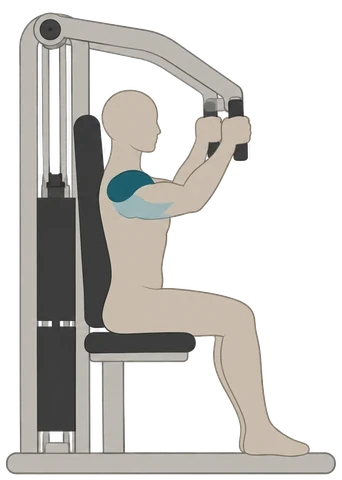 Machine shoulder press
The shoulder press on a fixed path, seated — delts and triceps with nothing to balance.
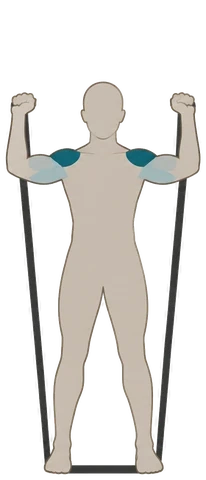 Band overhead press
The overhead press against a band — lightest at the bottom, hardest at the top.
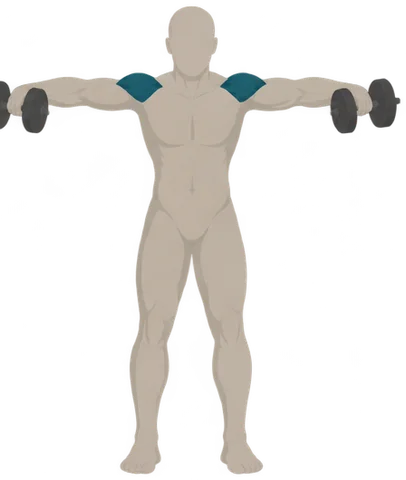 Lateral raise
The side of the shoulder on its own — the one job the presses never quite give it.
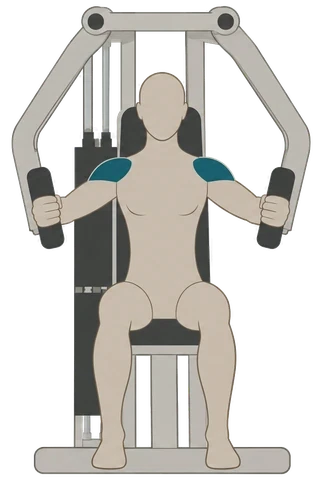 Machine lateral raise
The lateral raise on a fixed arc, seated — the side of the shoulder with no swing to borrow.
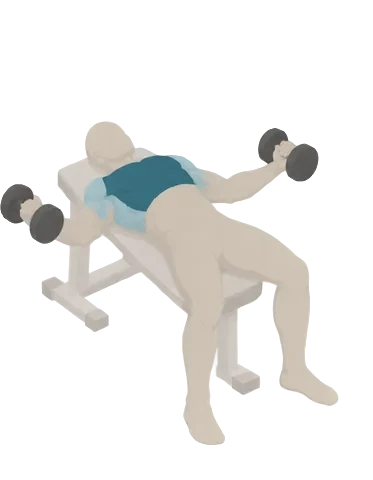 Chest fly
One joint, one job: the chest closing the arms with the triceps kept out of it.
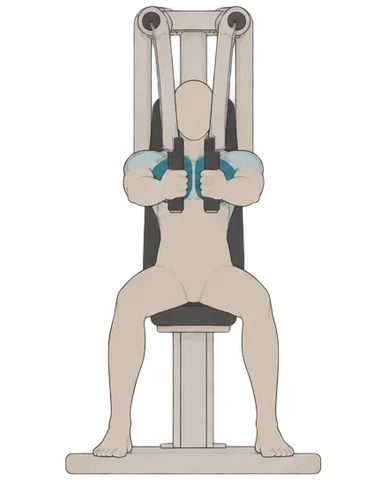 Pec deck
The fly on a machine: the arms sweep on a fixed arc, so the chest gets tension at the close a dumbbell cannot give.
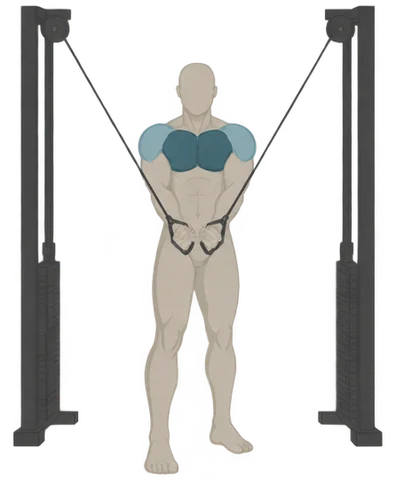 Cable fly
The fly between two cable stacks: tension at every point of the arc, and the angle is yours to set.
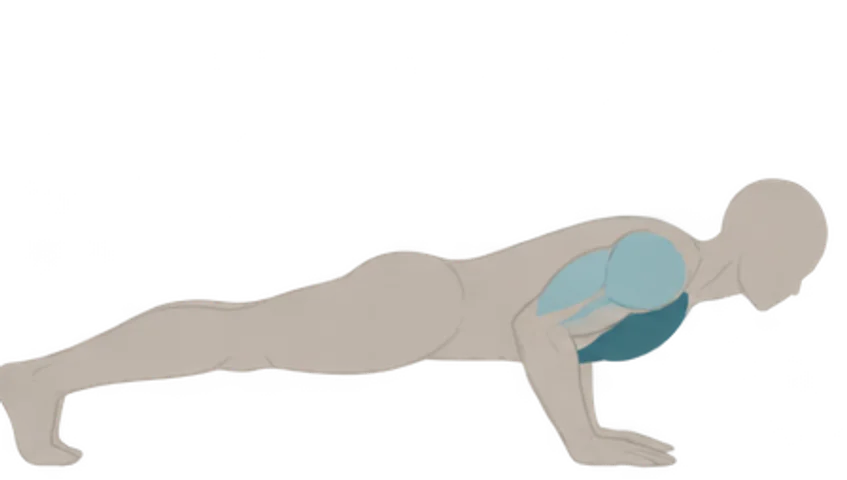 Push up
The horizontal press you can do anywhere, with the brace along for the ride.
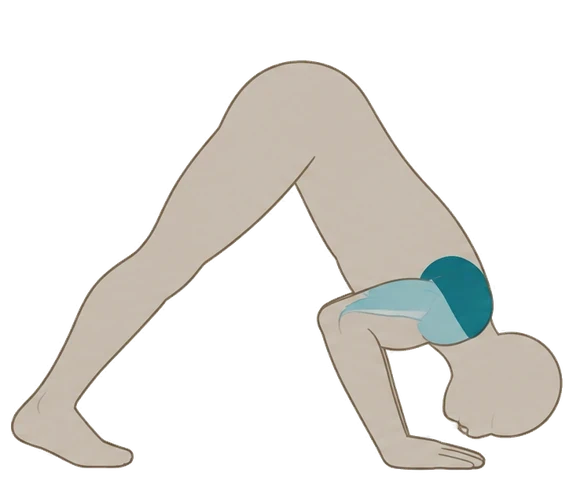 Pike push up
A push up turned toward the ceiling — the shoulders’ press, with no weights.
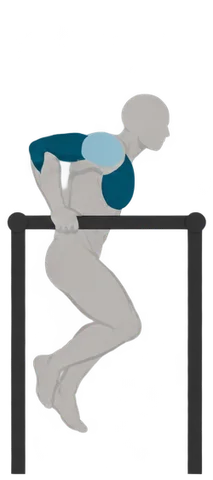 Dip
As much a triceps exercise as a chest one, and one of the few presses that loads bodyweight directly.
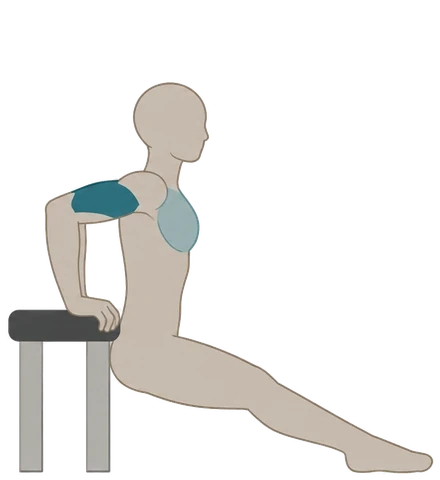 Bench dip
The triceps pressing your own weight off a chair or a bench.
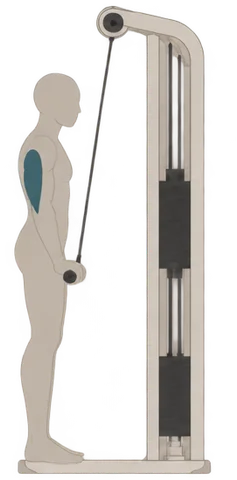 Tricep pushdown
The triceps on their own, at an angle the presses cannot reach.
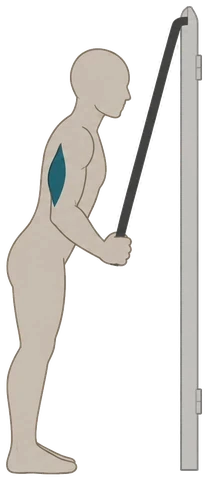 Band tricep pushdown
The pushdown with a band over a door — the triceps, with no cable machine.
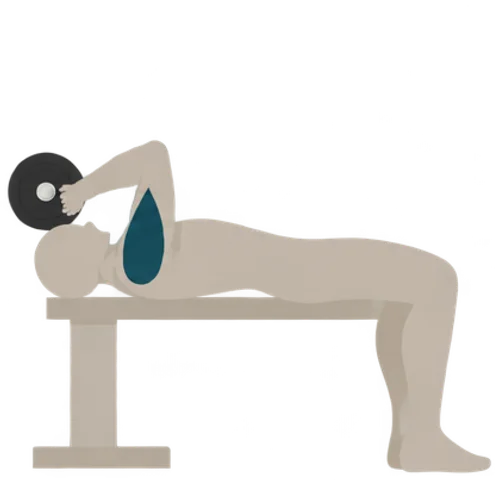 Skull crusher
The triceps under a stretch, which is the part a pushdown never loads.
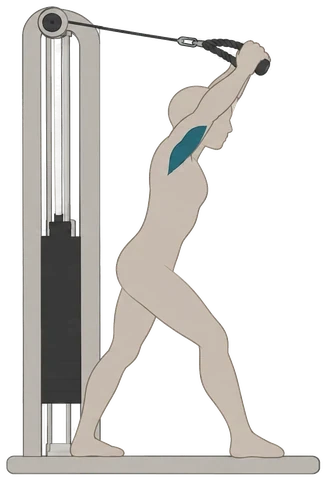 Overhead tricep extension
The triceps worked from a full stretch, arms overhead — the part a pushdown leaves out.
Pull
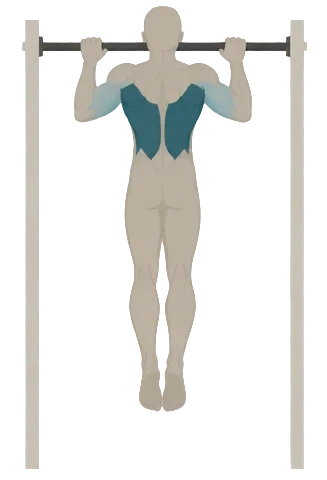 Pull up
Bodyweight, hanging, pulled to the bar — the plainest measure of upper-back strength.
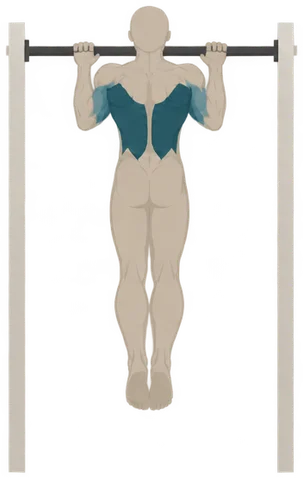 Chin up
A pull up with the palms turned in, which makes the biceps a full partner rather than a helper.
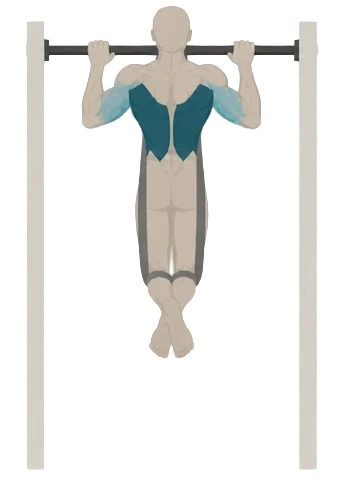 Assisted pull up
The pull up with some of your weight taken off, so the full range can be trained before it can be done.
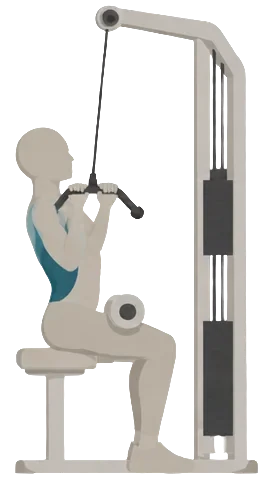 Lat pulldown
The pull up's pattern with a load you choose, which is what makes it trainable at any strength.
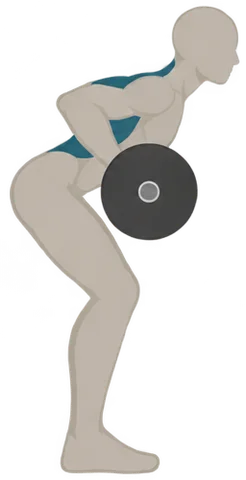 Barbell row
The horizontal pull that takes the most weight, and asks the back to hold a position while it does.
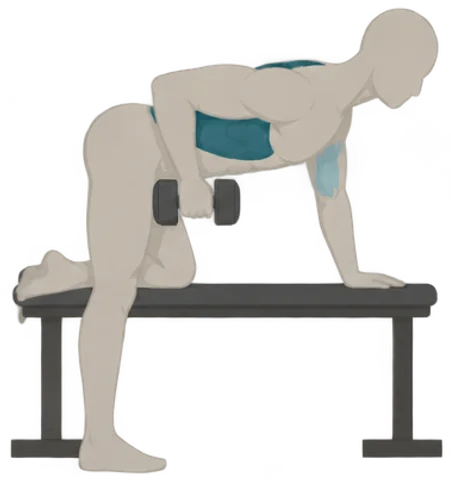 Dumbbell row
One side at a time, with the bench taking the load off your lower back.
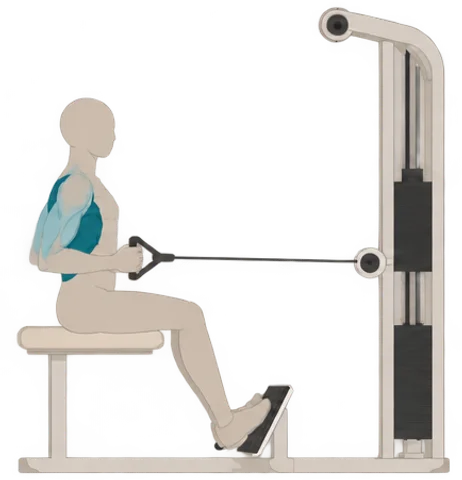 Seated cable row
A horizontal pull with tension the whole way out as well as the whole way in.
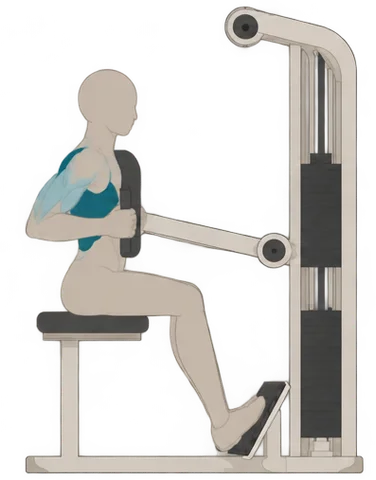 Machine row
A horizontal pull with the chest on a pad, so the back works and the lower back does not have to hold you.
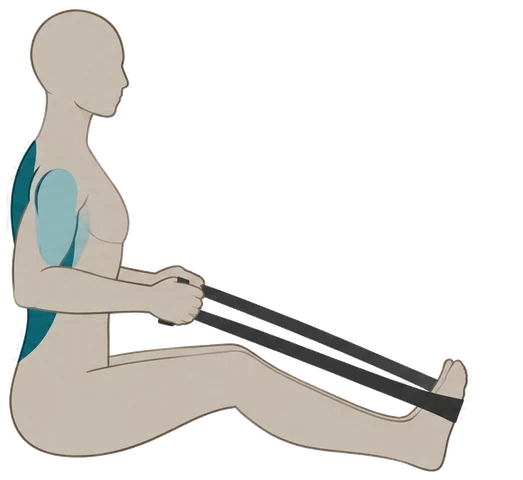 Band row
The row with a band — the back’s pull, anywhere you can sit down.
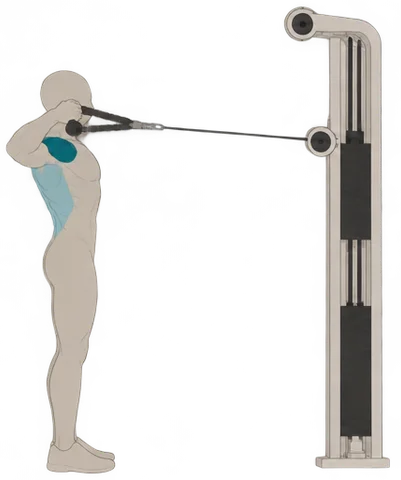 Face pull
The back of the shoulder and the upper back, which nearly every pressing programme is short of.
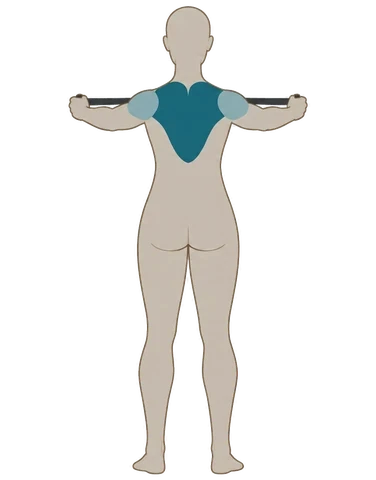 Band pull-apart
The upper back and rear shoulders, opening a band across the chest.
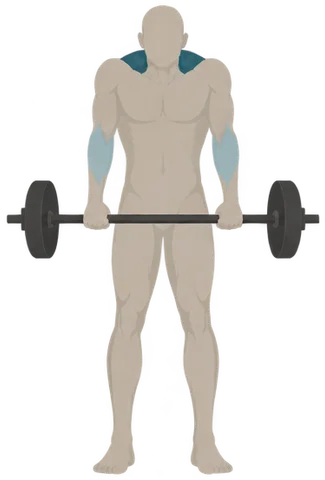 Shrug
The traps, straight up and straight down — little else trains them directly.
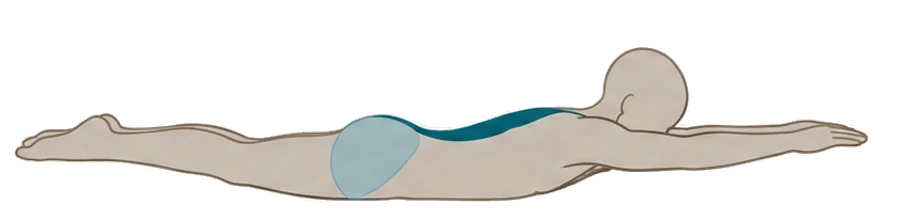 Superman
The back of the body lifting itself off the floor — the one pull you can do with nothing to pull on.
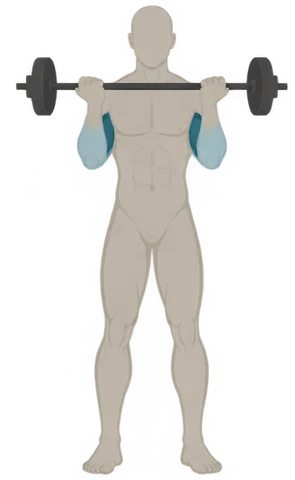 Barbell curl
Both arms, one bar, and the most load the biceps will take.
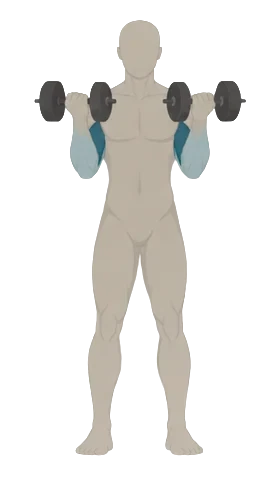 Dumbbell curl
One weight per arm, so a weaker side cannot hide behind a stronger one.
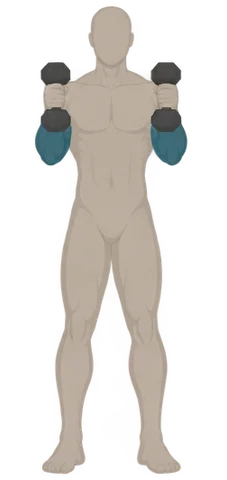 Hammer curl
Palms facing in, which brings the forearm and the outer arm into the curl.
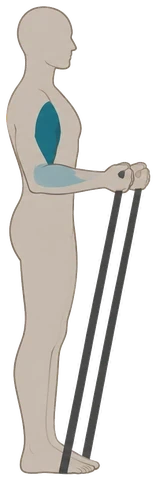 Band curl
The curl with a band — hardest at the top, where the biceps are strongest.
Legs
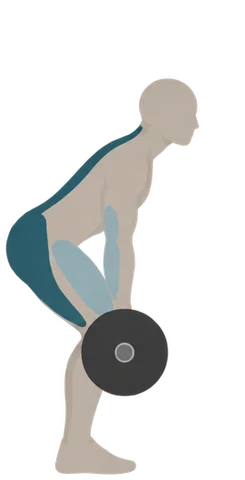 Deadlift
Picking the heaviest thing off the floor — the whole back of the body at once.
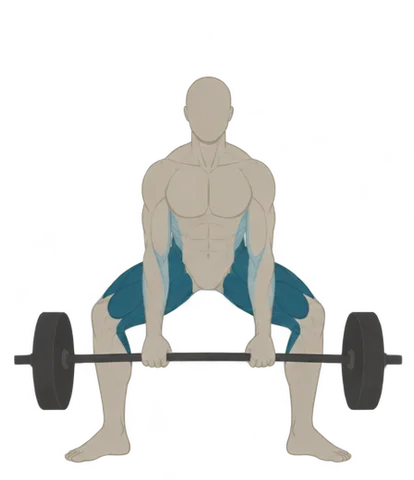 Sumo deadlift
The deadlift with a wide stance and hands inside the knees: a shorter pull, more legs and less lower back.
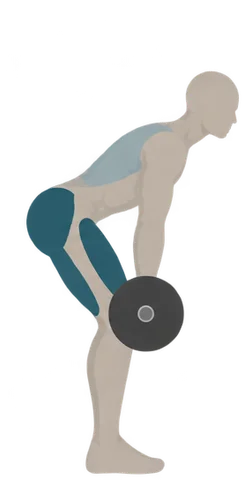 Romanian deadlift
The hamstring half of a deadlift: a hinge that never touches the floor.
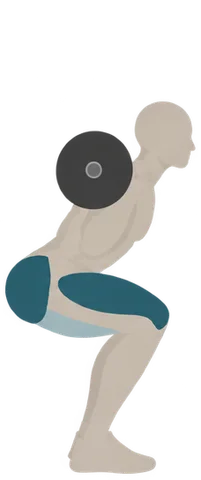 Back squat
A bar on your back and the whole leg under it — the lift most programmes are built around.
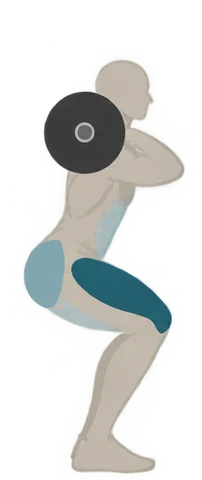 Front squat
The bar in front, which forces an upright torso and puts the quads under most of it.
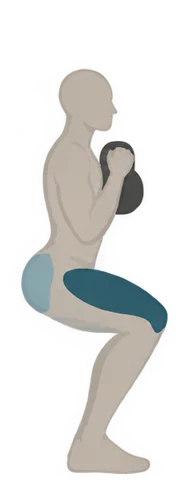 Goblet squat
One weight held at the chest, which teaches the squat better than any coaching cue.
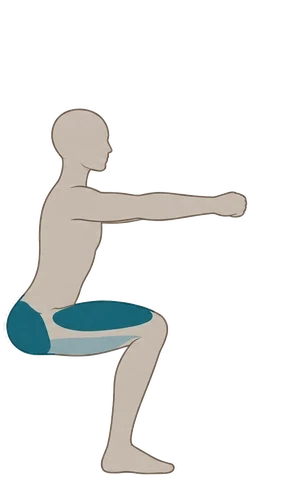 Bodyweight squat
The squat with nothing but you — the pattern every loaded squat is built on.
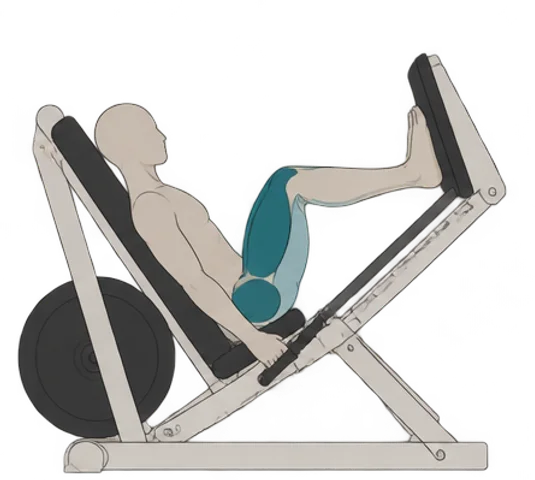 Leg press
The legs under a heavy load with the back supported, which is what makes it the safe way to go heavy.
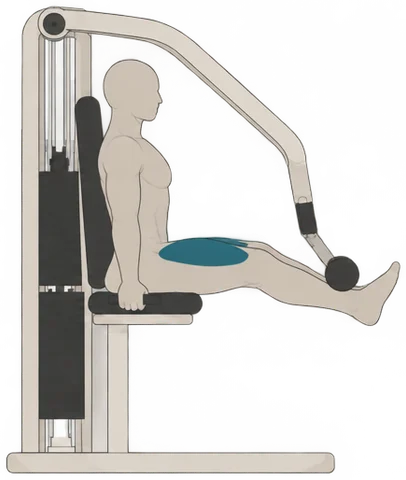 Leg extension
The quads on their own, at the top of their range where a squat gives them least.
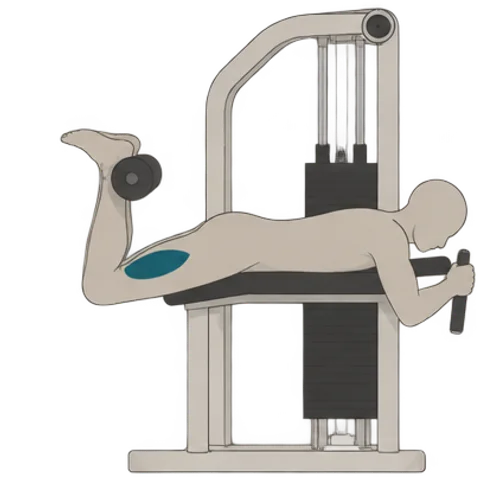 Leg curl
The hamstrings bending the knee — the half of them a hinge never trains.
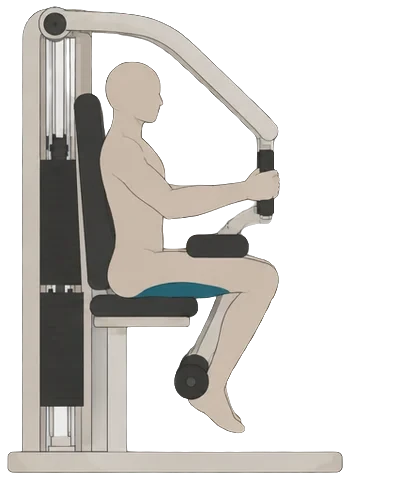 Seated leg curl
The leg curl sitting up, which puts the hamstrings on more stretch than lying down does.
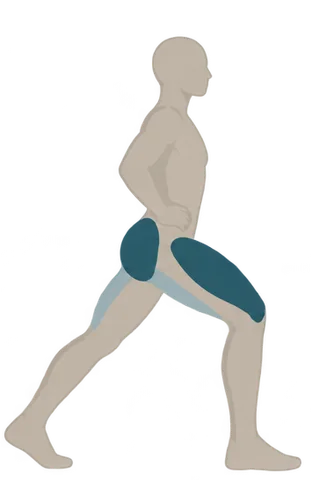 Lunge
One leg at a time, which is how life and most sport actually load them.
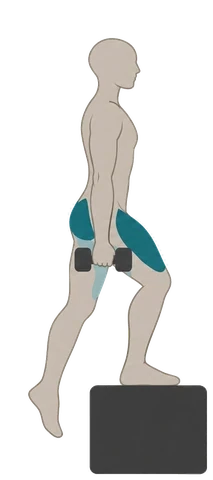 Step up
One leg lifting the whole body onto a box — the lunge with nothing behind to push off.
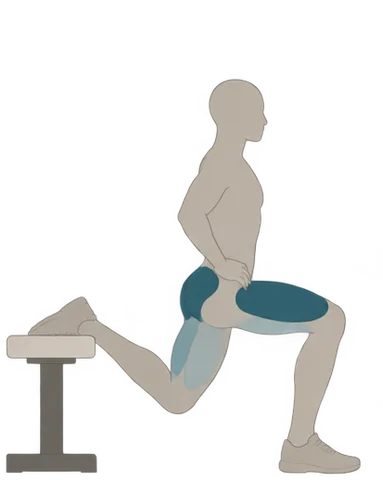 Bulgarian split squat
A split squat with the back foot on a bench, so the front leg carries nearly all of it.
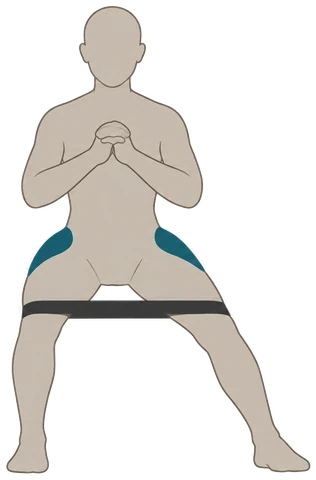 Band lateral walk
Stepping sideways against a band — the side of the hips, which most leg work misses.
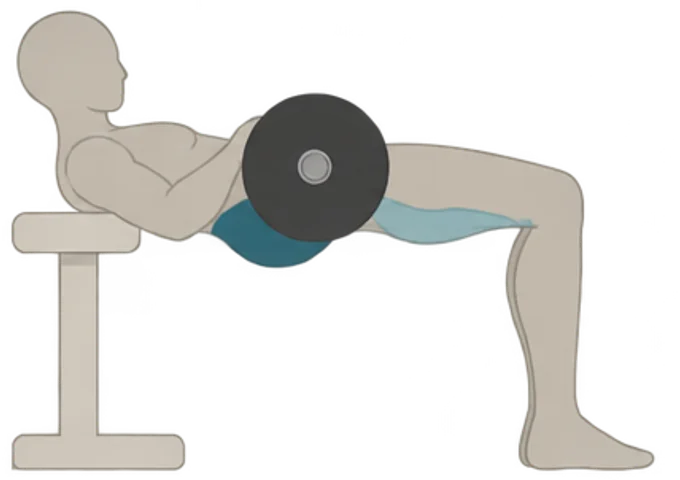 Hip thrust
The glutes at the top of the hinge, with almost nothing asked of the lower back.
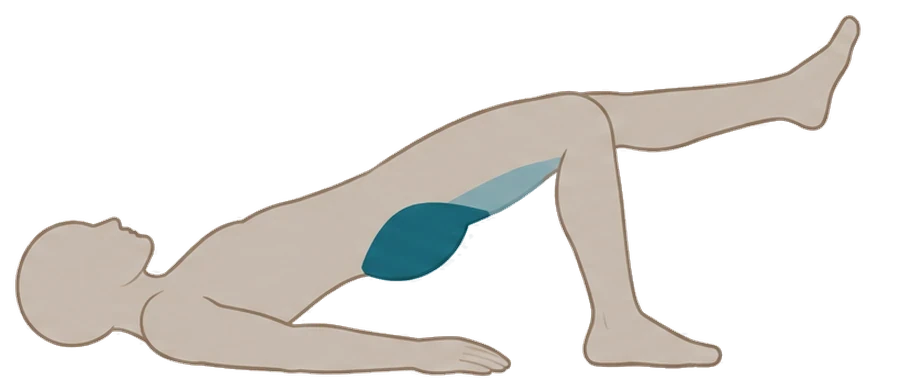 Single-leg glute bridge
The glute bridge on one leg, so neither side can hide behind the other.
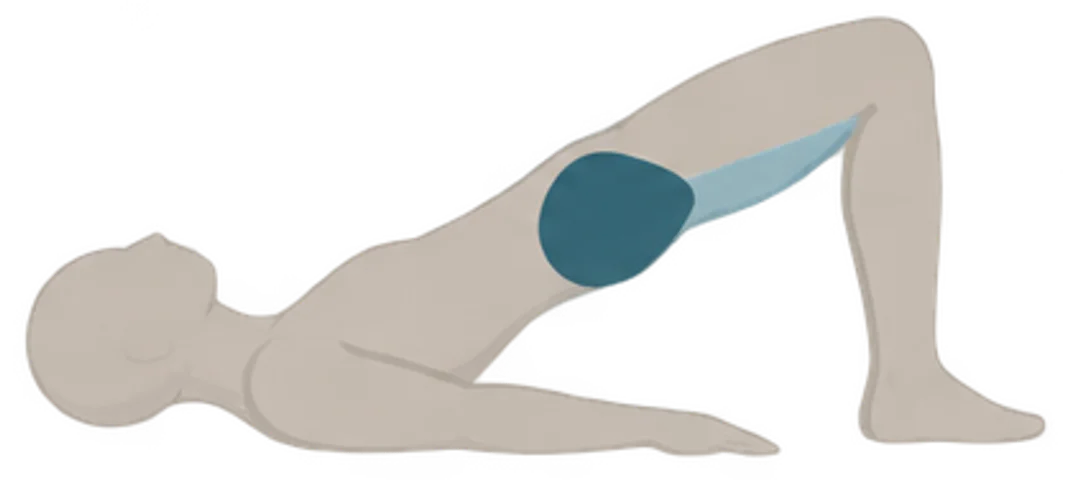 Glute bridge
The hip thrust from the floor: the same squeeze, no equipment.
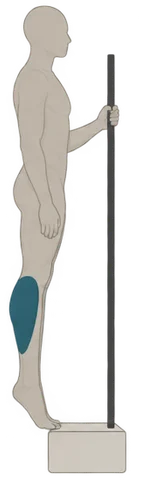 Calf raise
The calves, which only get worked at the very top of the ankle’s range.
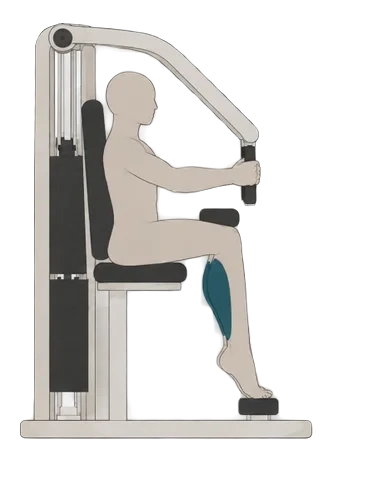 Seated calf raise
Calf raises with the knees bent, which takes the big calf muscle off and leaves the soleus underneath doing the work.
Core
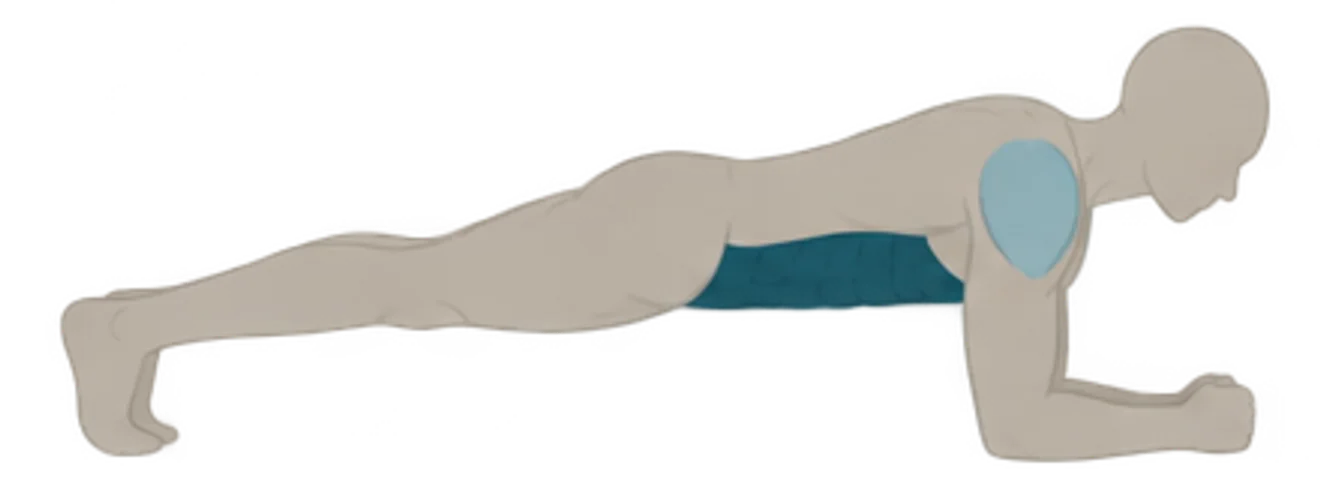 Plank
Holding a straight line under gravity, which is what the core is actually for.
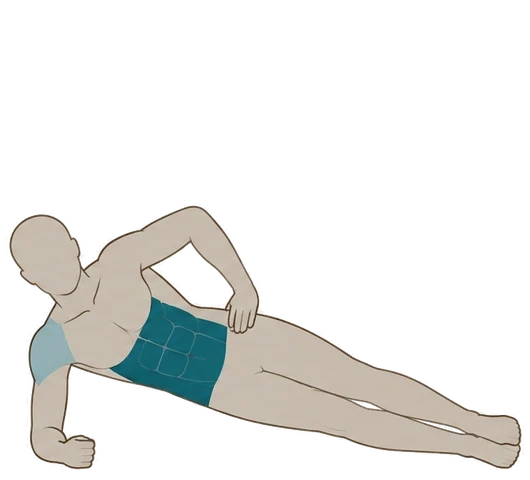 Side plank
The plank turned on its side — the muscles that stop you folding sideways.
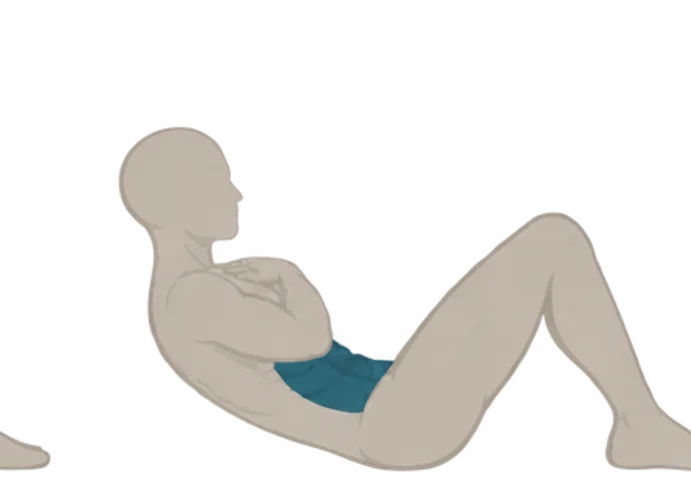 Sit up
Bending at the middle against gravity — the simplest way to load the abs.
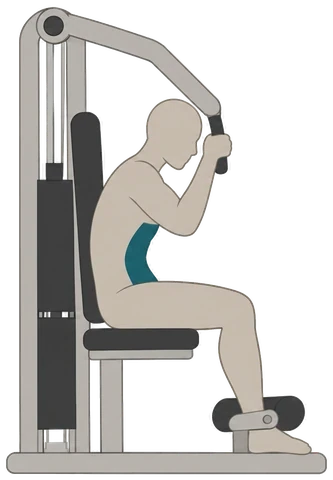 Ab crunch machine
The crunch against a weight stack, seated — abs you can add a plate to.
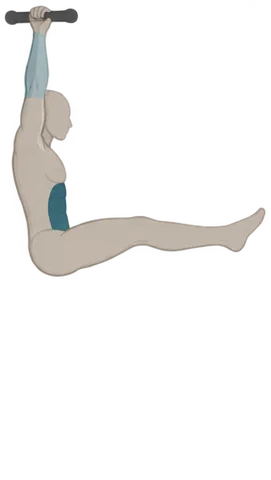 Hanging leg raise
The abs against a long lever, hanging — about as hard as they are ever asked to work.
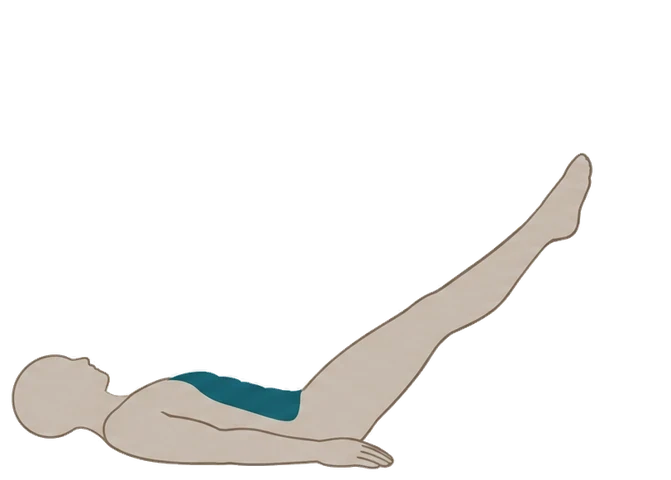 Lying leg raise
The lower abs, lifting the legs while the back stays down.
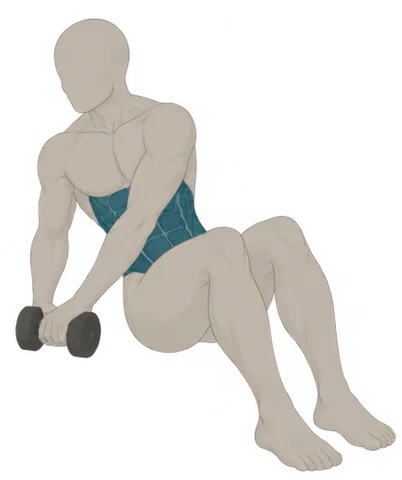 Russian twist
Rotation under load, which the rest of a programme rarely trains at all.
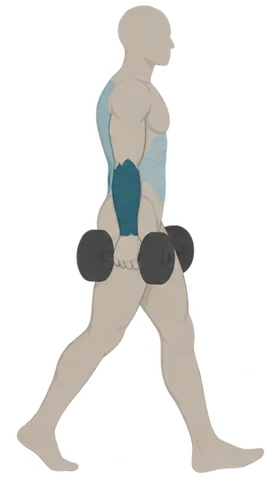 Farmer's carry
Picking up something heavy and walking with it — grip, traps and brace at once.
Conditioning
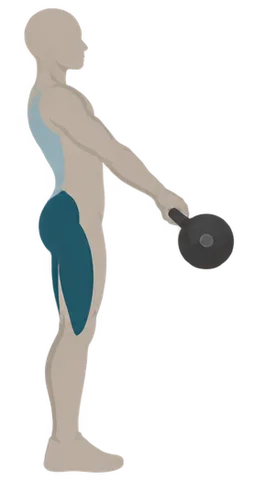 Kettlebell swing
A hinge done fast — the one conditioning movement that is also power training.
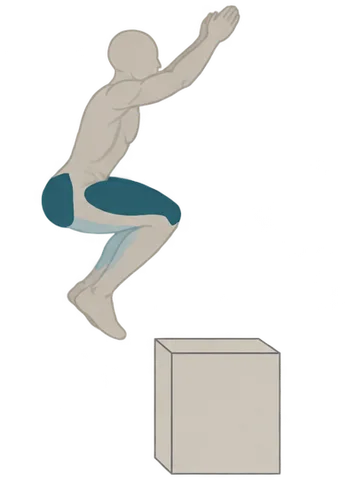 Box jump
Jumping and landing — power trained at the one thing legs do fastest.
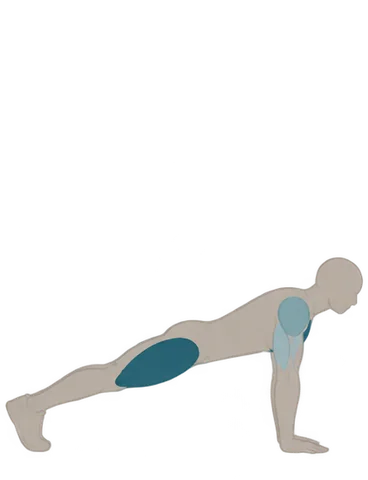 Burpee
Down, out, in, up — the whole body at whatever pace you can hold.
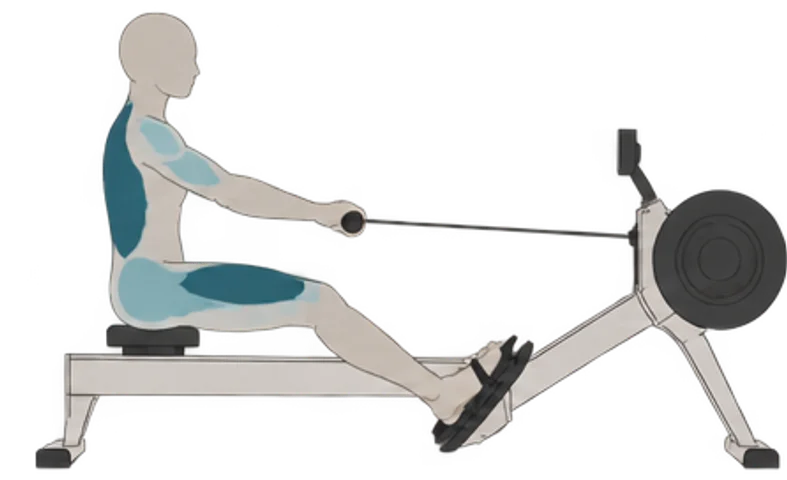 Rowing machine
Legs, hinge and pull in that order — the most whole-body cardio there is.
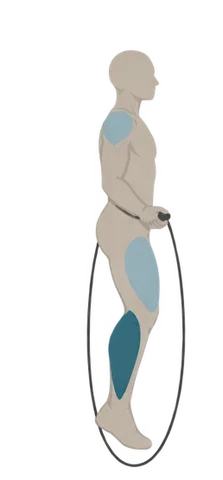 Jump rope
Cheap, portable conditioning that also trains the calves and the feet.
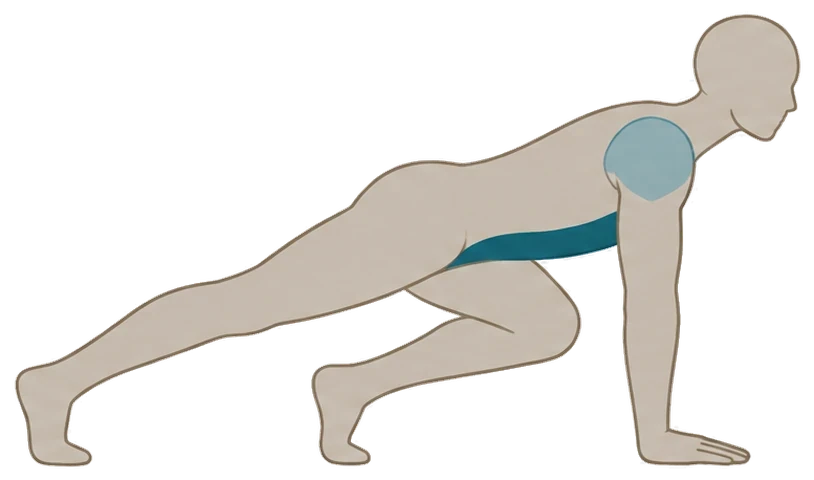 Mountain climber
A plank that runs — abs and lungs together, no room needed.
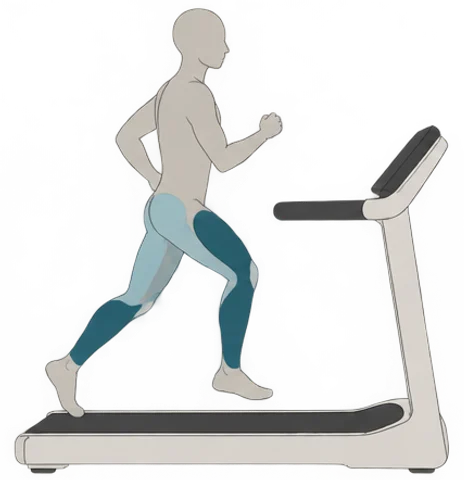 Treadmill
Running or walking with the surface and the pace decided for you.
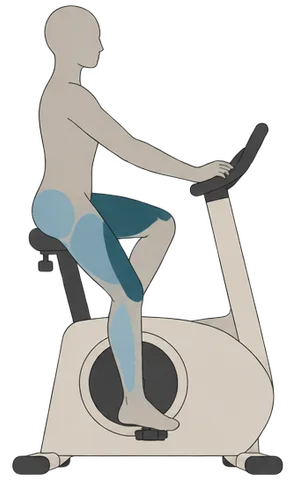 Stationary bike
Legs and lungs with nothing landing — the low-impact way to do the work.
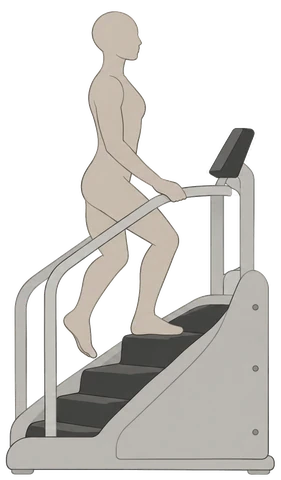 Stair climber
Climbing stairs that never end — legs and lungs, with less impact than running.
The same guide, open beside every set you log.
Free on iPhone, with no account — your whole history included.